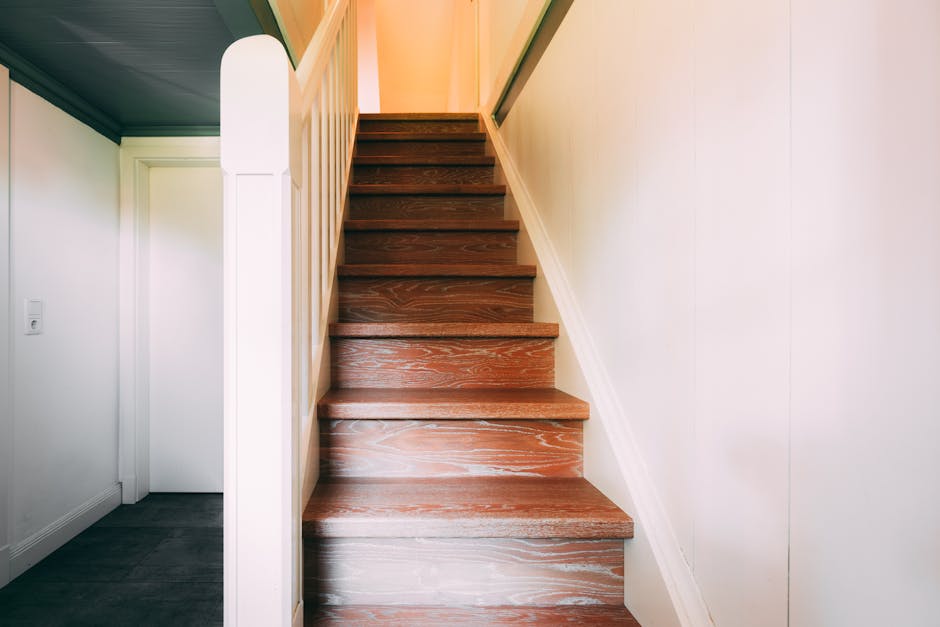
Removals for Flats with Narrow Stairs Common Problems Solved

Moving out of a flat sounds straightforward until you meet the staircase. Tight turns, low ceilings, awkward landings, shared entrances, and a sofa that suddenly seems twice its normal size - that is usually where the real work begins. Removals for Flats with Narrow Stairs Common Problems Solved is about making those tricky moves calmer, safer, and far less stressful.
If you live in an upper-floor flat, a converted building, or one of those older London properties where the stairwell was clearly designed before modern furniture existed, you are not imagining the challenge. The good news is that most problems can be managed with the right planning, the right equipment, and a removals team that understands the building before the first box even moves. In this guide, we'll walk through the common issues, how professional movers handle them, what to avoid, and how to prepare properly so the day runs smoothly. Truth be told, a narrow staircase can turn a simple move into a bit of a puzzle - but it's a solvable one.
Here's the practical bit: careful measuring, better packing, smarter timing, and a realistic approach to access can save a lot of effort later. Let's get into it.
Why Removals for Flats with Narrow Stairs Common Problems Solved Matters
Narrow stair removals matter because access problems are rarely just a small inconvenience. They affect how long the move takes, whether items stay intact, and how safely people can work in a confined space. A sofa that will not turn on the landing is not only frustrating; it can block the route, damage walls, and put strain on everyone involved.
In our experience, the biggest issue is not always the staircase itself. It is the combination of things: tight access, heavy furniture, fragile items, and limited room for manoeuvring. You may also be dealing with shared hallways, neighbours coming and going, or no obvious place to park close to the building. All of that adds pressure.
The value of planning for this type of move is simple. You reduce risk. You protect the building as well as your belongings. And you avoid that awful moment when everyone stands in silence looking at a wardrobe and wondering, well now what?
For flats in older terraces, mansion blocks, converted houses, and some purpose-built buildings, stair access can be especially awkward. The stairwell may be narrow, the steps steep, or the corners too tight for large modern furniture. That is why a move that looks ordinary on paper often needs a more considered approach in real life.
It also matters financially. Scratches, dents, broken glass, or a last-minute need for extra labour all add up. A careful plan is usually cheaper than improvising on the day.
How Removals for Flats with Narrow Stairs Common Problems Solved Works
A well-run narrow-stairs move starts before moving day. The removals team should understand the property layout, the volume of items, and where the tricky points are likely to be. That usually means an access discussion first, sometimes followed by a video survey or in-person visit if the property is especially awkward.
The process usually looks like this:
- Initial assessment - The mover checks stair width, landing size, turning points, ceiling height, parking access, and lift availability if there is one.
- Item review - Large items are identified in advance so the team knows what may need dismantling or special handling.
- Packing and protection planning - Furniture covers, floor protection, and protective wrapping are arranged where needed.
- Route planning - The path from flat to vehicle is considered carefully, including any tight corridors, fire doors, or shared entrances.
- Disassembly where required - Bed frames, tables, wardrobes, and some shelving units may be partly dismantled to make the move safer.
- Controlled movement - Items are lifted, rotated, and guided through tight spaces using teamwork rather than force.
- Loading and final checks - The van is loaded in a way that reduces shifting and protects delicate pieces in transit.
This is where experienced removals staff earn their keep. They do not just lift and carry. They judge angles, weight distribution, grip, and the amount of room a piece needs as it moves. Small details matter. A few centimetres can make the difference between a clean turn and a scratched wall.
Sometimes the answer is not brute strength at all. Sometimes it is removing a door, tilting a headboard, or carrying a mattress vertically. Simple enough in theory, fiddly in practice. That is why narrow stair jobs are best handled by people who have done them before.
If you are comparing wider moving support as well, services like flat removals and removals are often the natural starting points for understanding how a full household move is organised.
Key Benefits and Practical Advantages
The main benefit is control. A move that might otherwise feel chaotic becomes structured and far less risky. But there are a few other advantages worth spelling out clearly.
- Less damage to your property - careful manoeuvring and protection help prevent scuffs on paintwork, chipped bannisters, and damaged walls.
- Reduced risk to furniture - bulky items are less likely to be forced through tight turns or dropped in a rush.
- Safer lifting - the team can work with proper technique, which matters a lot on narrow or steep stairs.
- Better timing - when access is planned properly, the move usually runs more predictably.
- Less stress for you - and let's face it, that matters. Moving day is easier when you are not firefighting access problems every five minutes.
There is also a practical advantage many people overlook: the building itself is protected. In flats, especially shared blocks, one badly handled move can cause friction with neighbours or landlords. Moving carefully keeps things civil. Sometimes that is worth as much as the physical protection.
Another benefit is flexibility. If the movers know the access is narrow, they can adapt their equipment, team size, and loading plan. That means fewer surprises once the van arrives outside. A bit boring? Maybe. But boring is good when your dining table is halfway down a stairwell.
Who This Is For and When It Makes Sense
This type of removals support makes sense for anyone moving from a flat with awkward internal access. That includes studio flats, maisonettes, converted houses, basement flats with narrow staircases, and upper-floor apartments without a practical lift.
You especially need it if you have:
- large furniture such as sofas, wardrobes, beds, or desks
- valuable or fragile items that need careful handling
- limited parking near the building
- a tight moving window, such as a same-day handover
- shared stairwells that must remain clear
- items that may need dismantling before removal
It also makes sense if you are moving during busy times, such as a Saturday morning when the street is full of cars and everyone is trying to get on with their own day. In busy parts of London, access can be the hidden problem that changes everything.
If your move is especially time-sensitive, the planning matters even more. A service such as same-day removals when time is tight can be helpful to understand the pace and coordination involved in urgent moves.
And sometimes the smartest move is not to force everything out in one go. If access is especially tight, combining removals with removals and storage can give you breathing room. That little bit of flexibility can be a lifesaver.
Step-by-Step Guidance
Here is a straightforward way to prepare and manage a flat move where the stairs are narrow. Nothing fancy. Just the practical stuff that tends to work.
1. Measure the access properly
Measure stair width, landing depth, and the height of any tight turns. If possible, measure large furniture too. Most problems appear when people guess. Guessing is optimistic. Sometimes too optimistic.
2. Identify the awkward items early
Make a list of anything bulky, fragile, or difficult to carry. Sofas, bed frames, mirrors, white goods, and tall bookcases should all be reviewed in advance.
3. Decide what should be dismantled
Some furniture is easier and safer when partly taken apart. Flat-pack units may move well if emptied first. Beds often benefit from simple disassembly. Wardrobes vary, because some are awkward beyond all reason.
4. Clear the route inside the flat
Hallways, doorways, and corners should be free of clutter. Shoes, plant pots, laundry baskets, and that one mystery bag everyone forgets about all slow things down.
5. Protect floors and walls
Use covers, blankets, and floor protection where needed. In shared buildings, this is especially sensible. It shows care and reduces the risk of disputes with neighbours or building managers.
6. Pack by weight and fragility
Heavy items go in smaller boxes. Fragile items need proper cushioning. The aim is to make boxes manageable rather than overloaded. A box should never feel like a personal challenge.
7. Plan the loading order
The biggest or most awkward items should be handled when the crew is fresh, not after everyone is already worn out. This is one of those small decisions that makes a bigger difference than people expect.
8. Keep access communication open
Let the movers know about parking restrictions, building entry codes, or narrow outside paths. If your building has any special rules, say so early. A five-minute conversation can prevent a half-hour delay.
Expert Tips for Better Results
There are a few habits that make narrow-stairs removals noticeably easier.
- Take doors off only when appropriate - this can help with bulky furniture, but it should be done carefully so hinges and frames are not damaged.
- Use the right number of people - two movers may be enough for lighter work, but larger items often need extra hands for safe control.
- Empty furniture before moving - drawers, shelves, and cupboards should be cleared. It reduces weight and prevents items shifting inside.
- Wrap corners and edges - especially on wooden furniture and glass pieces.
- Check weather and timing - wet steps, early-morning frost, or a busy school-run street can make access trickier than expected.
One small but useful tip: photograph the awkward pieces before moving day. If something needs dismantling or careful wrapping, pictures help everyone stay on the same page. Not glamorous, but useful.
Another good habit is to keep one essentials box separate and clearly labelled. Kettle, chargers, medication, a few toiletries, documents, and maybe the tea bags. Honestly, once the boxes are stacked up and the day gets noisy, being able to find a mug can feel like a victory.
For households with limited space or a staggered move-out, short-term storage or household storage can be a sensible pressure valve between properties.
Common Mistakes to Avoid
A lot of removal issues with narrow stairs come down to avoidable mistakes. These are the ones that crop up again and again.
- Not measuring properly - if the sofa is wider than the stair turn, that becomes a problem very quickly.
- Leaving packing until the last minute - rushed packing means heavier, less organised boxes.
- Ignoring building access rules - some flats have quiet hours, parking limits, or entry procedures that need to be respected.
- Trying to move everything in one go - sometimes splitting the load is smarter and safer.
- Assuming every item can be carried upright - some need rotation, tilting, or dismantling first.
- Using too little protection - one scrape on a wall can cause more stress than the whole rest of the move.
One particularly common issue is overconfidence with heavy items. A wardrobe looks manageable until you hit the third landing. Then reality arrives. Rather suddenly, usually.
Another mistake is failing to tell the removals team about access restrictions. If parking is limited or the stairwell is especially tight, say so early. It is much easier to adapt a plan than to repair a bad one on moving day.
Tools, Resources and Recommendations
You do not need specialist kit for every move, but the right tools make a real difference. The best setup depends on the furniture, the staircase, and the size of the property.
| Tool or resource | What it helps with | Why it matters |
|---|---|---|
| Furniture blankets | Protecting surfaces during transport | Reduces scratches and knocks |
| Floor protection | Shared hallways and stair treads | Helps keep the building clean and safe |
| Straps and lifting aids | Carrying awkward or heavy pieces | Improves control and balance |
| Protective wrap | Fragile or valuable items | Useful for corners, glass, and polished wood |
| Disassembly tools | Taking apart beds or modular furniture | Can turn a difficult carry into a manageable one |
For people who prefer a handled service that includes packing support, packing services can be a practical add-on. It is often worth it if you are short on time or if the furniture itself is only half the problem.
And if you are moving a smaller load rather than a full household, small removals or a flexible man and van service may suit the job better than a larger vehicle and crew.
Where storage is needed, options such as self storage, secure storage, or mobile self storage can help bridge a gap between move-out and move-in dates.
Law, Compliance, Standards, or Best Practice
For removals in flats, compliance is mostly about safety, property access, and respecting building rules. There is no single rulebook for every staircase, but there are sensible standards that professional movers usually follow.
In practical terms, that means careful manual handling, sensible risk assessment, and good communication with the customer. Reputable movers should also have suitable insurance in place and clear policies for health and safety. If you want to understand how a provider approaches these things, it is reasonable to review their health and safety policy and insurance and safety information before booking.
Best practice usually includes:
- checking access before the move
- protecting shared areas where appropriate
- lifting in a controlled way rather than forcing furniture through tight spaces
- using the right team size for the job
- keeping communication open with the customer and, where necessary, building management
If you are moving from a managed block, it can also help to check any rules on booking lifts, using service entrances, or parking loading bays. That is not legal drama, just common sense. The kind that saves time and awkward conversations with a neighbour carrying shopping upstairs.
For more general company information, a provider's about us page can help you judge whether their service feels transparent and properly run. Clear pricing, sensible terms, and a straightforward complaint process are all good signs too.
Options, Methods, or Comparison Table
Not every narrow-stairs move needs the same approach. The right method depends on what you are moving, how much there is, and how difficult the access really is.
| Method | Best for | Advantages | Limitations |
|---|---|---|---|
| Standard removals crew | Most flat moves with moderate access issues | Efficient, well-equipped, usually best for a full move | May need extra planning for very tight staircases |
| Man and van | Smaller loads, lighter furniture, short-distance moves | Flexible and often practical for compact jobs | Not always ideal for heavy or bulky items |
| Removals with storage | Gap between move-out and move-in dates | Reduces pressure and gives you more room to plan | Adds another step to organise |
| Fully packed service | Busy households or fragile belongings | Saves time and improves consistency | Usually more expensive than handling packing yourself |
To be fair, the best option is often the one that matches the access problem, not just the amount of furniture. A smaller service can be perfect for a studio flat with one awkward staircase. A larger, more coordinated team may be better for a family flat with heavy furniture and strict time limits.
If you are still deciding, compare the access problem first, then the item list, then the timings. That order tends to keep things sane.
Case Study or Real-World Example
Picture a one-bedroom flat in a converted Victorian building. The staircase is narrow, the landing turns sharply halfway up, and the front door opens into a small hallway with barely enough room for a chest of drawers and a washing basket. Moving day arrives on a bright morning, but the stairwell is already warm, echoey, and a little awkward.
The largest item is a sofa that has lived in the flat for years. At first glance, it looks like it will not go around the turn. Rather than forcing it, the movers measure the angle, pad the wall edge, and rotate the sofa vertically with one person guiding from above and another supporting from below. It clears by inches. Not glamorous. Very effective.
Next comes the bed frame, which is dismantled into sections before being carried down. That makes the route safer and stops the railings from being knocked. Boxes are loaded last, with heavier ones at the bottom of the van so nothing shifts en route.
The result is simple: no damage, no last-minute panic, and no frustrated phone calls halfway through the move. The job is not fast because people are rushing. It is fast because the plan matches the property. That is the real trick.
We see the same pattern often. Once access is understood, the move becomes straightforward. Before that, it can look impossible.
Practical Checklist
Use this checklist before moving day. It is not fancy, but it works.
- Measure stair width, landings, and any tight bends
- List all large or fragile items
- Decide what needs dismantling
- Check parking and loading access
- Tell the removals team about access restrictions
- Protect floors, banisters, and corners where needed
- Pack heavy items into smaller boxes
- Keep essential items separate
- Confirm building entry times or rules
- Have keys, codes, and contact details ready
Expert summary: narrow-stairs removals are rarely difficult because of one single issue. They become difficult when access, timing, and bulky items all collide at once. Solve the access problem early, and half the stress disappears. Really, it does.
If you are comparing services, it is also sensible to look at pricing and quotes so you understand what is included and whether packing, dismantling, or storage may be added separately.
Get a free quote today and see how much you can save.
Conclusion
Flat moves with narrow stairs can feel daunting, especially when you are staring at a sofa that seems to have grown overnight. But with the right preparation, they are absolutely manageable. The key is to plan around access, not just around the contents of the flat.
Measure carefully, pack sensibly, protect the route, and work with a removals team that knows how to handle awkward spaces without turning the day into a wrestling match. Small decisions made early tend to pay off later - and that is especially true in older buildings where the staircase has its own personality.
If you are moving soon, take a breath, do the measurements, and make the plan simple. A tricky stairwell does not have to mean a tricky move.
And once the last box is down, the hallway quiets, and the kettle goes on in the new place, it all starts to feel worth it.
Frequently Asked Questions
What are the main problems with removals for flats with narrow stairs?
The most common problems are tight turns, limited landing space, heavy furniture, and a higher risk of scratches or knock damage. Shared access and parking can make things harder too.
Can large furniture be moved down narrow stairs safely?
Yes, often it can, but it usually needs careful planning, the right number of movers, and sometimes dismantling. Some items may need to be carried vertically or protected more heavily than usual.
Should I dismantle furniture before a flat move?
If the item is bulky, awkward, or close to the limits of the stairwell, dismantling usually helps. Beds, wardrobes, and some tables are common examples. Not everything needs it, though.
How do movers protect walls and banisters in a narrow staircase?
They may use blankets, corner protection, floor covers, and controlled carrying techniques. Good movers try to protect both the property and the item, not just one or the other.
Is a man and van service enough for a flat with narrow stairs?
Sometimes, yes, especially for smaller moves or light furniture. For larger loads or difficult stair access, a more experienced removals team may be the better fit.
How far in advance should I book a removals company for a flat move?
As early as you can, especially if your building has access restrictions or your move date is fixed. Leaving it too late can limit your options and increase stress.
What should I tell the removals team before moving day?
Tell them about stair width, turning points, parking, lift access, building rules, and any particularly heavy or fragile items. The more accurate the picture, the smoother the day tends to go.
Can removals teams help if I also need storage?
Yes. If there is a delay between leaving one property and moving into the next, storage can be very helpful. It reduces pressure and gives you more control over the timing.
What if my sofa will not fit around the stairs?
If it cannot be turned safely, the usual options are dismantling, using a different route if one exists, or arranging temporary storage while you decide what to do. Forcing it is rarely worth the risk.
Do I need to check building rules before moving out?
Yes, that is a sensible step. Some flats have rules about lift use, loading times, parking, or protecting common areas. Checking in advance prevents delays and awkward moments.
Is professional help really worth it for a small flat?
Often it is, especially if the stairs are tight or the furniture is bulky. Even a small flat can be tricky when access is limited. The size of the property is not always the real issue.
How can I make a narrow-stairs move less stressful?
Measure first, pack early, label everything clearly, and tell the removals team about any awkward access points. A calm plan usually beats a rushed one. That much is true in most moves.