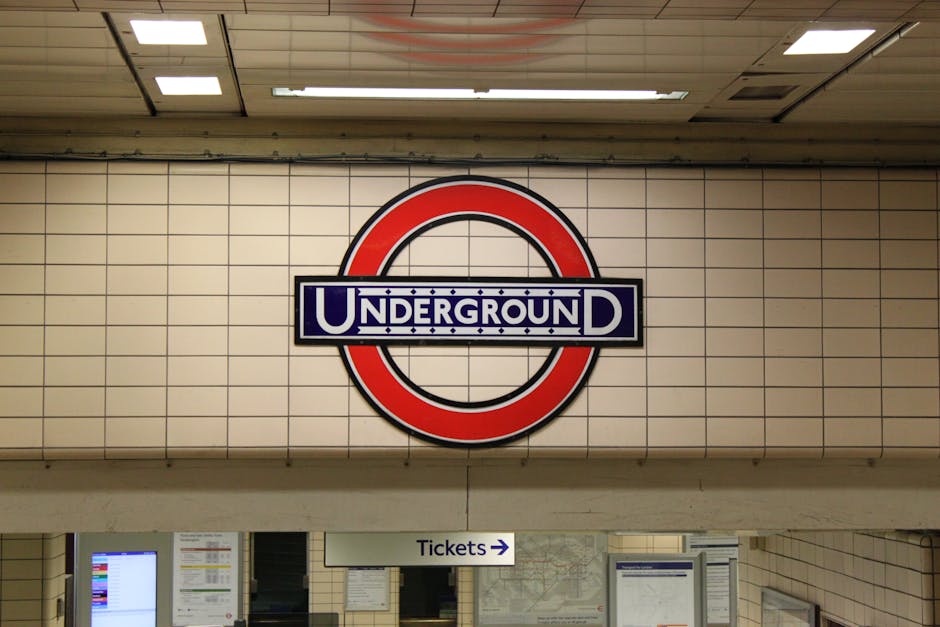
Enfield Lock Station Removals Pick up and Drop Off Advice
If you are planning a move near Enfield Lock Station, the smallest details can make the biggest difference. Enfield Lock Station Removals Pick up and Drop Off Advice is really about more than getting a van to the right place; it is about timing, access, luggage, parking, loading, and keeping the day calm enough that you can think clearly. A good plan saves stress, saves time, and often saves money too. To be fair, the difference between a smooth move and a scruffy one can be one missing parking note or a badly timed handover.
This guide walks you through the practical side of pick up and drop off planning around the station, with sensible advice for flats, houses, student moves, business relocations, storage runs, and smaller local jobs. You will also find a checklist, a comparison table, and a realistic example so you can make confident decisions without guessing.
Why Enfield Lock Station Removals Pick up and Drop Off Advice Matters
Station-adjacent moves are rarely simple. Even if you are not trying to stop directly outside the station itself, nearby roads can get busy quickly, especially at commute times, school-run windows, or when weather turns a normal street into a stop-start queue. A removals vehicle that cannot pause safely, even for a few minutes, can slow everything down. Then one person is waiting with a box of kitchen items, someone else is hunting for keys, and the whole thing starts to wobble.
Advice for pick up and drop off around Enfield Lock Station matters because the route between the property, the vehicle, and the final destination needs to be planned properly. That includes walking distance, access through flats or side gates, stairs, lifts, loading points, and whether the driver can legally and safely stop close enough to help. If you are moving heavy furniture, it is not just a convenience issue; it can affect safety and the condition of your items.
There is also the time factor. A short local move can become an expensive long one if loading takes twice as long as expected. For people booking local removals, the details around access are often what separate a tidy, well-run move from a stressful morning that drags on into the afternoon.
How Enfield Lock Station Removals Pick up and Drop Off Advice Works
At its simplest, the process is about matching your collection and delivery plan to the realities of the station area. You work out where the vehicle can safely stop, how far items need to be carried, who is doing the lifting, and what needs to happen first. That may sound obvious, but in practice people often leave these decisions until the van has already arrived. Not ideal.
A solid plan usually follows a few steps:
- Check the exact pickup and drop-off points. Is the item coming from a flat, a house, a storage unit, or a business premises?
- Measure the access. Look for tight corners, low ceilings, narrow hallways, steps, lifts, and awkward parking options.
- Confirm timing. Avoid peak travel hours if you can, especially where traffic and pedestrian flow are likely to pinch.
- Prepare the load. Pack and label everything before the van arrives, and keep essential items separate.
- Communicate clearly. The driver, the sender, and the receiver should all know what is happening and when.
For bigger or more complex moves, it helps to combine advice with services such as man and van support or more comprehensive removals so the vehicle, labour, and timing all line up properly.
In our experience, the best moves are usually boring. No drama, no last-minute reshuffling, no one standing in the rain trying to remember which box contains the kettle.
Key Benefits and Practical Advantages
The main benefit is obvious: smoother collections and deliveries. But there is more to it than that. Good pick up and drop off advice around Enfield Lock Station improves reliability, reduces damage risk, and gives you more control over the day. That matters whether you are moving a sofa, ten office boxes, or a full two-bedroom flat.
- Less waiting time: A clear plan helps avoid the van circling or sitting idle.
- Lower damage risk: Shorter carry distances and better access planning reduce bumps and scrapes.
- Less strain on people: Heavy items are easier to move when the route is simple and direct.
- Better punctuality: Timed handovers work more smoothly when everyone understands the access point.
- More accurate quotes: Clear information about access often leads to more realistic pricing.
There is also a surprisingly important emotional benefit. A well-managed move feels under control. That is not a small thing when you are dealing with keys, boxes, and the awkward little question of where your charger has disappeared to.
If you need furniture moved in or out of a property near the station, it can help to compare specialist furniture storage with a direct delivery route, especially if the new place is not ready yet. A short pause in storage can make the whole schedule far easier to handle.
Who This Is For and When It Makes Sense
This advice is useful for anyone moving in or around Enfield Lock Station, but it is especially relevant if access is constrained. A ground-floor house with a driveway is one thing. A first-floor flat with limited roadside space is another. The same goes for anyone juggling a key handover, a delivery window, or a tight return trip.
Typical situations include:
- house moves where the van cannot park directly outside
- flat moves with stairs, lifts, or shared entrances
- student moves with boxes, luggage, and a few bulky items
- small business relocations needing quick turnarounds
- storage runs where items are being collected and redelivered later
- short notice moves when timing is already tight
This is also a sensible topic for anyone comparing whether they need a full-scale removals team or a smaller vehicle-based solution. If the load is modest, small removals may be all you need. If you are moving between two local addresses and want a straightforward approach, a local service is usually more practical than overcomplicating the job.
Truth be told, a lot of people do not need a huge operation. They just need the right setup, at the right time, with enough practical thinking baked in.
Step-by-Step Guidance
Use the following steps to plan a calmer pick up and drop off around Enfield Lock Station. It is not glamorous, but it works.
1. Confirm the exact addresses and access points
Do not rely on "near the station" as a plan. Pin down the full address, the entrance to use, and the best place to meet the vehicle. If you are in a block of flats, check whether there is a rear entrance or lift access that is easier than the front door.
2. Walk the route before moving day if you can
A quick walk from the property to the likely stopping point can reveal a lot. You may spot a narrow turn, a gate that only opens one way, or a patch of road that always seems occupied at certain times. Small detail, big payoff.
3. Decide what needs to be collected first
If you are moving multiple items or taking things into storage, decide the order in advance. Heavy items should generally go in first, but only if the access route is safe. Fragile boxes should be grouped and clearly marked. Mixed loads tend to create confusion, and confusion slows everything down.
4. Communicate the timing clearly
Give everyone the same arrival window. If one person thinks the van is coming at 8:00 and another expects 8:30, you get that awkward waiting-around energy nobody enjoys. Not the best start to a move.
5. Keep a small essentials bag with you
Put keys, charger, documents, water, and anything you will need within the first hour in a separate bag. If you are doing a long day, this tiny habit saves so much frustration.
6. Be realistic about what you can carry
It is tempting to assume you can move the sofa, the mattress, and the sideboard yourself. Sometimes you can. Sometimes you very much cannot. If in doubt, get help. A safe move is the right move.
If your plan involves storage between pickup and delivery, removals and storage can be a practical middle ground, especially where completion dates or handover timings are uncertain.
Expert Tips for Better Results
A few little habits make a real difference.
- Use simple labels: "Kitchen," "Bedroom," and "Fragile" are more useful than elaborate colour systems nobody remembers.
- Protect corners and edges: Door frames and table legs take the brunt of rushed moves.
- Load by destination, not by emotion: Keep items grouped by where they need to go, even if one box feels like it should be first because you packed it first.
- Leave a clear path: A hallway full of coats, shoes, and random bags slows everyone down.
- Keep documents separate: Delivery notes, booking details, and keys should not disappear into a cardboard abyss.
Another useful tip: ask whether the route is easier from the front or rear of the property. In some station-area streets, the front is busier but the back is awkward; in others, the reverse is true. There is no universal answer, which is exactly why local judgement matters.
If you are booking a team for a home move, house removals can be a better fit than a generic vehicle hire arrangement when there are multiple rooms, stairs, or heavier items involved. For flats, especially where lift access is uncertain or shared corridors are tight, flat removals are often the safer choice.
Common Mistakes to Avoid
Most moving problems are predictable. That is the annoying part. The good news is that the fixes are also predictable.
- Assuming parking will be easy: Near stations, parking can change fast. Always check the actual stopping point.
- Leaving packing until the last minute: Half-packed boxes slow everybody down and increase breakage risk.
- Ignoring building access rules: Shared entrances, permits, concierge steps, and lift bookings can matter more than people expect.
- Booking too tight a time window: If one handover runs late, the whole chain can become messy.
- Forgetting about weather: Rain, wind, and slippery paths can make even a short carry awkward.
- Not warning neighbours or building management: A quick heads-up can prevent complaints and blocked access.
One more thing. People often underestimate how many small trips they will need. "It's only a few bags" is famous last words, honestly.
For business customers, the same principles apply but the stakes can be higher. If you are shifting files, desks, or stock, it is worth looking at office removals or business storage if the timing of your move is not perfectly lined up.
Tools, Resources and Recommendations
You do not need a giant toolkit, but a few practical items help enormously on moving day.
- Strong boxes and tape: Reliable packing materials reduce collapses and crushed corners.
- Blankets or protective wraps: Good for furniture, mirrors, and awkward surfaces.
- Labels and marker pens: Simple, clear, and worth their weight in sanity.
- Gloves and sturdy shoes: Especially important if you are carrying items over uneven surfaces.
- Phone charged and accessible: Obvious, but strangely easy to forget.
On the service side, packing services can be useful if you are short on time or simply want a more organised setup. If your move is more compact, a man and van arrangement may be the neatest option. And if your timing is uncertain, short-term storage is often the practical pressure valve that keeps everything from becoming a scramble.
For people who prefer a flexible approach, mobile self storage can work well when you want the storage element brought closer to your home or workplace before final delivery. That can be especially handy if you are juggling keys, handovers, or renovations.
Law, Compliance, Standards, or Best Practice
Any removals or delivery work near a station should be carried out with sensible attention to road safety, pedestrian safety, and property access. You do not need to turn the day into a legal seminar, but you should still be careful about where vehicles stop, how items are lifted, and whether the route is safe for workers and the public.
In UK practice, common best practice includes planning for:
- safe loading and unloading areas
- clear pedestrian routes where possible
- reasonable manual handling methods
- secure transport of items inside the vehicle
- appropriate insurance and clear service terms
If you are hiring help, it is sensible to review insurance and safety information so you understand what cover and precautions are in place. You can also look at the company's health and safety policy and terms and conditions to see how responsibilities are handled. That may feel a bit dry, but it matters if anything unexpected happens.
For payment reassurance, payment and security details are worth checking too. And if sustainability matters to you, recycling and sustainability guidance can help you choose a more responsible route for unwanted items and packing waste.
Options, Methods, or Comparison Table
There is more than one way to handle a pick up and drop off near Enfield Lock Station. The right choice depends on volume, access, timing, and how much heavy lifting you want to avoid.
| Method | Best for | Strengths | Limitations |
|---|---|---|---|
| Self-managed move | Very small loads | Low cost, full control | More physical work, more planning needed |
| Man and van | Small to medium local moves | Flexible, practical, quick | May be less suited to larger homes or complex access |
| Full removals team | Homes, flats, bigger furniture | More support, better for tricky access | Usually more expensive than basic transport only |
| Removals and storage | Uncertain completion dates | Reduces timing pressure | Requires two stages instead of one |
| Small removals with packing help | Busy individuals or fragile loads | Less stress, better organisation | Not always necessary for simple jobs |
If you are deciding between convenience and cost, it often comes down to access. Easy access, easy load, short carry? Simpler option may be fine. Narrow stairwell, awkward parking, and a large wardrobe that looks friendly until you try to move it? You probably want more support.
Case Study or Real-World Example
Picture a typical weekday move near Enfield Lock Station. A couple is leaving a second-floor flat and moving into a house a few streets away. The train commute means the street gets busier early, and the building entrance has limited waiting space. One person has a work laptop, the other has the kettle and the bedding, because priorities are priorities.
Instead of asking the van to arrive at the busiest point of the morning, they arranged an earlier collection window and checked which side of the building offered the best loading route. They packed the fragile items in one clearly marked box group, kept essentials in a separate bag, and cleared the hallway the night before. That alone cut a lot of friction.
The result was not dramatic. Which is exactly the point. The driver arrived, access was known, the load went out in a sensible order, and the new place was set up without too much backtracking. There was still a moment of "Where did we put the phone charger?" because there always is, but the move itself stayed calm. And calm is worth a lot on moving day.
For a slightly different situation, imagine a small business moving documents and a few desks after a lease change. They might use document storage for records they do not need immediately, then complete the rest of the relocation in stages. That kind of staged thinking can save a surprising amount of pressure.
Practical Checklist
Use this before the van arrives. Seriously, it helps.
- Confirm full pickup and drop-off addresses
- Check the best access route from property to vehicle
- Verify parking or stopping options near the station area
- Pack fragile items separately and label them clearly
- Keep keys, documents, and phone chargers in one safe bag
- Tell everyone the agreed arrival window
- Protect floors, walls, and furniture edges where needed
- Clear hallways, landings, and doorways before loading begins
- Review any insurance, terms, or safety notes before booking
- Have a backup plan if the handover is delayed
If the move date is still a bit uncertain, a sensible backup is to combine transport with self storage or long-term storage depending on how long you need the gap to last. That can be the difference between panic and patience.
Get a free quote today and see how much you can save.
Conclusion
Enfield Lock Station Removals Pick up and Drop Off Advice is really about making ordinary moving tasks easier, safer, and more predictable. Once you have the route, timing, access, and loading plan sorted, the rest tends to fall into place. Not perfectly, because moving days never are perfect, but well enough that you can breathe.
Whether you are shifting a few boxes, a full flat, or business items that need careful handling, the smartest approach is to think through the practical bits before the van appears. That means less waiting, less lifting stress, and fewer surprises on the day. And honestly, fewer surprises is a beautiful thing.
Take your time with the planning, keep the communication clear, and do not be afraid to ask for the kind of help that makes the day easier. A good move is a quiet success, and that is usually the best kind.
Frequently Asked Questions
What does Enfield Lock Station removals pick up and drop off advice actually cover?
It covers all the practical planning around collecting and delivering items near the station, including parking, access, timing, loading, and safe transport. It is mainly about avoiding delays and making the handover smooth.
Is it better to use a man and van or a full removals team near Enfield Lock Station?
It depends on the size of the move and the access. A man and van is often ideal for smaller local jobs, while removals are usually better for bigger homes, heavier items, or trickier access.
How early should I book a pickup or drop off?
As early as you can, especially if you need a specific time window or have to coordinate keys, storage, or building access. Popular slots can go quickly, and short notice always adds pressure.
What if there is no parking right outside the property?
That is common near busy transport links. The move can still work, but you need to plan for a short carry distance. Sometimes a nearby safe stopping point is all you need, though it may affect the time taken.
Can I combine removals and storage in one booking?
Yes, and that is often useful if your move-in date is not ready yet or if you want to split the move into stages. Removals and storage can reduce pressure when timing is awkward.
What items are most likely to cause problems on pickup day?
Large wardrobes, mattresses, glass tables, heavy boxes, and anything that has to come down stairs usually create the most effort. Bulky items become much easier when access has been checked properly beforehand.
Should I pack everything before the van arrives?
Yes, where possible. Half-packed boxes, loose items, and mixed-room loads slow the job down and raise the chance of damage. Packing ahead of time is one of the simplest ways to keep costs and stress down.
Do I need special help for moving from a flat near the station?
If there are stairs, narrow corridors, lifts, or awkward entry points, specialist flat removals are usually worth considering. They are designed for the kind of access issues flats often bring.
How do I reduce damage risk during collection and delivery?
Use strong packing, label fragile items, protect furniture edges, and make sure the route is clear. It also helps to avoid rushed lifting and to keep heavy items stable in the vehicle.
What should I check before I agree a booking?
Check the timing, the access assumptions, the quote structure, any insurance details, and the service terms. If you are moving valuable items, it is sensible to review insurance and safety information as part of the decision.
Is short-term storage useful for station-area moves?
Yes. It is often a very practical solution when completion dates, handovers, or tenancy timings do not line up neatly. Short-term storage can take the pressure off a very compressed move.
What is the biggest mistake people make with drop off advice?
Probably assuming the drop off will be easy because it is "only local." Local can still be awkward if the road is tight, the vehicle cannot stop nearby, or the property access is more complicated than expected. That small assumption causes a lot of avoidable stress.